Stanley Lake, Sawtooth Mountains, Idaho

Photo Highlights 2015

Photo Highlights 2015

Yes, it’s time once again to look back and reflect on the highs and lows of the past year, and hopefully, see how much we have accomplished and learned.  This past year included several great locations that turned out to be very productive and memorable. Most notably my spring trip to the Southwest, where my wife Coleen was able to join in the fun.

So let’s check out some of the photo highlights of 2015. Please feel free to vote for your favorite photos in the comment box and share this post with your friends. Also, don’t forget that all of these photos are available for purchase as Fine Art Prints and Commercial Licensing!

Many sincere thanks to all my friends, colleagues, and loyal clients for making 2015 another successful year. I wish you all a Happy New Year with the best of health and prosperity for you and your families in the coming year!

Jumbo Rocks Joshua Tree National ParkJumbo Rocks Joshua Tree National Park California #55199  Purchase

This photo was made at the beginning of my spring southwest trip, with the first stop being Joshua Tree National Park. There is a lot to see and photograph in this park but the Jumbo Rocks have to be among the most interesting. Surrounding a great campsite Jumbo Rocks is a wonderland of whimsical granite rock formations. During our visit, I had a couple of instances of good light. This really kept me on my toes running around for interesting compositions. It definitely paid off to scout the area earlier in the day!

 Cholla Cactus sunset Superstition Mountains sunset, ArizonaCholla Cactus, Superstition Mountains Arizona #55462  Purchase

Later on the same trip, we stopped for a few days at Lost Dutchman State Park in Arizona’s Superstition Mountains. I was hoping for some dramatic photos of iconic Flatiron Peak and wildflowers. However the area was in the middle of an early season heat wave. With clear blue skies, conditions were not the best for landscape photography.  The annual bloom of wildflowers was just past peak with the heat withering them fast.

However, I did get some nice photos of one of my favorite desert subjects, the Teddy Bear Cholla Cactus. Illuminated from behind like in this photo they take on a beautiful glow. From a distance and to the uninitiated they look soft and cuddly. But if you even so much as brush lightly against the one you will experience excruciating pain. The barbs are very sharp and can penetrate thick clothing and still keep going into your flesh. I was picking barbs from the inside of my shoes for weeks after!

Grand Canyon National ParkAn evening storm over North Rim of the Grand Canyon #55558  Purchase

The last stop major on the Southwest trip was Grand Canyon, National Park. A classic location filled with endless photographic possibilities. One can spend a lifetime exploring and photographing in the park. The canyon, however, can be very frustrating since everything depends on the right light. Anytime between sunrise and sunset can offer nothing but flat washed out hazy light unless of course there are some storms moving through. Most visitors see the canyon during midday and come home with disappointing images that do not depict the grandeur and immensity of the canyon. During our stay, I was lucky to have three evenings and one morning with good light. The image above was made at sunset as a storm was beginning to clear over the North Rim.

Deception Creek North Cascades WashingtonDeception Creek North Cascades Washington #55663

May is a wonderful time in the Northwest. Everywhere there are vivid shades of greens and rushing creeks filled with snowmelt from the mountains. Deception Creek on the north border of the Alpine Lakes Wilderness Area is a classic example of a lush cool old-growth forest. It has been many years since I hiked this short trail, and it was a pleasure just to sit and breathe in the cool scented air!

Whitewater rafting Skykomish River, WashingtonWhitewater rafting on the Skykomish River Washington #55728  Purchase

Later on the same trip, I decided to spend the afternoon sitting along the banks of the Skykomish River.  Here I photographed rafters negotiating the rapids of Boulder Drop. The Northwest was already experiencing the initial stages of drought with little winter snowpack to feed the rivers. Although the Skykomish had enough to keep these folks hooting and hollering all the way down. I had almost as much fun watching and photographing them as they did running the rapids!

Stanley Lake, Sawtooth Mountains, IdahoMoon over Stanley Lake, Sawtooth Mountains, Idaho #55933  Purchase

My next trip in June to the Sawtooth Mountains of Idaho was perhaps the most successful of the year. During my stay, several rainstorms passed through and began clearing just at the right time. These provided some beautiful light for photographing the scenes. One morning I woke up disappointed to be socked in by fog. Fortunately, it began clearing over Stanley Lake just as the sun was coming up. As I finished my work the fog closed in to shut off the view, talk about timing!

Little Redfish Lake, Sawtooth National Recreation Area IdahoDawn over Little Red Fish Lake, Sawtooth Mountains, Idaho #56197  Purchase

Above is one of many variations of sunrise over Little Redfish Lake in the Sawtooth Mountains. This was another morning that started out looking like a dud and then really came to life as the sun rose and illuminated the clouds of a passing storm.

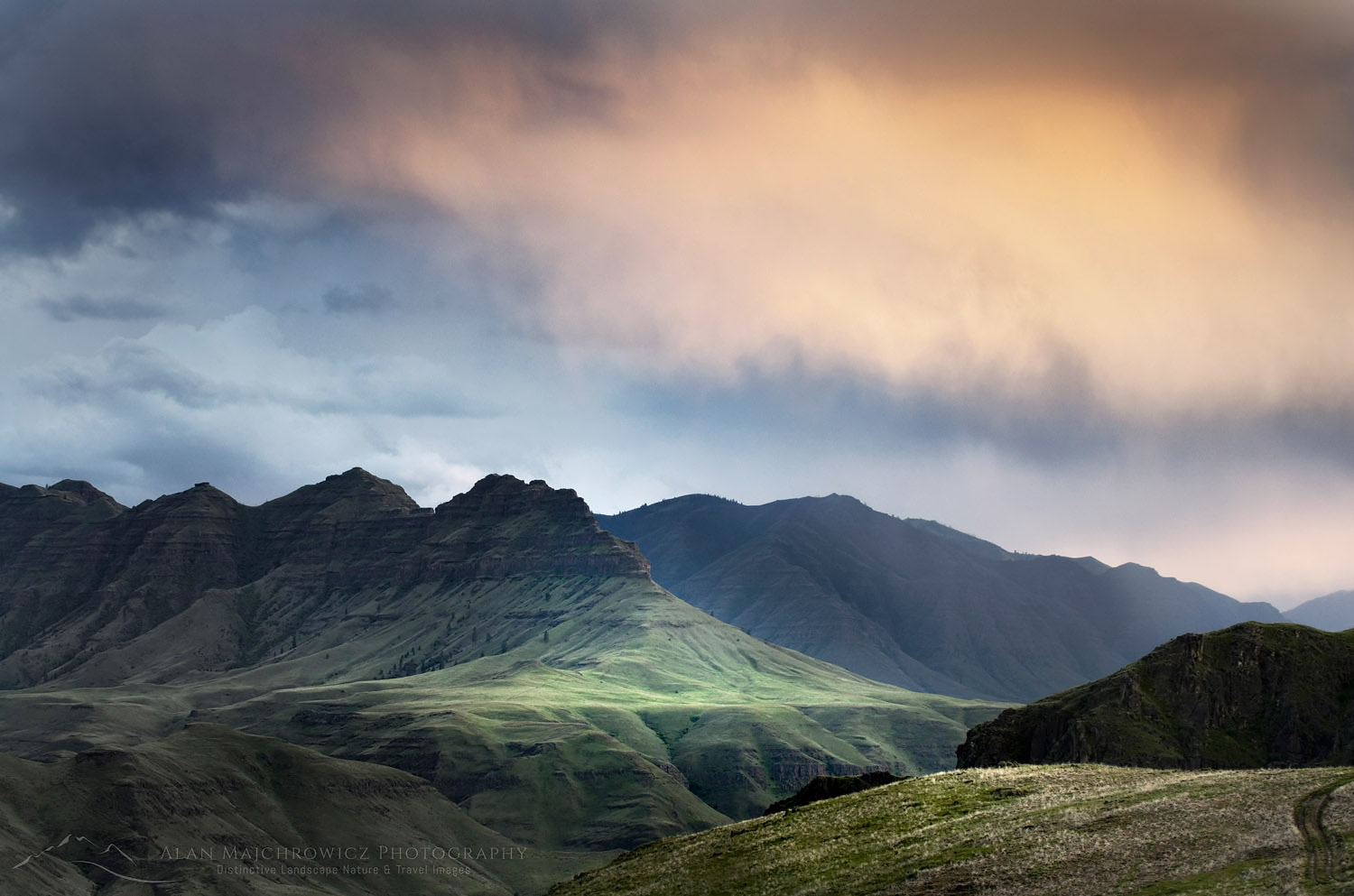
Owyhee River Canyon Sunset OregonOwyhee Canyon sunset, Oregon #56352  Purchase

The final stop on this trip was Owyhee Canyon and the Uplands of both southwest Idaho and southeast Oregon. One of the most remote areas in the west I’ve ever visited,  you can be assured of solitude just about everywhere. The geology is fascinating, ancient basalt lava flows and ash deposits carved by rivers into dramatic cliffs and spires along with natural hot springs sprinkled throughout. The highlight of this area was an overlook of the canyon at sunset, again a clearing storm provided drama to the scene. I’m definitely coming back again to spend more time exploring and photographing, hopefully, my aging truck will survive the beating!

Pasayten Wilderness in fall, North CascadesPasayten Wilderness North Cascades, Washington #56447  Purchase

In the fall I made a trip to Hart’s Pass and Slate Peak in the North Cascades in search of new images of my beloved Subalpine Larch (Larix lyalli). This is another location I used to frequent often in the 90s.  I haven’t been there for many years and it felt good to be back in my old haunts. The road to Slate Peak and Hart’s Pass is the highest drivable in the state and provides an exceptional view of the eastern peaks of the North Cascades along with trailheads to numerous destinations including the Pacific Crest Trail. The above photo shows a grove of larches in full color just before an autumn snowstorm closed in.
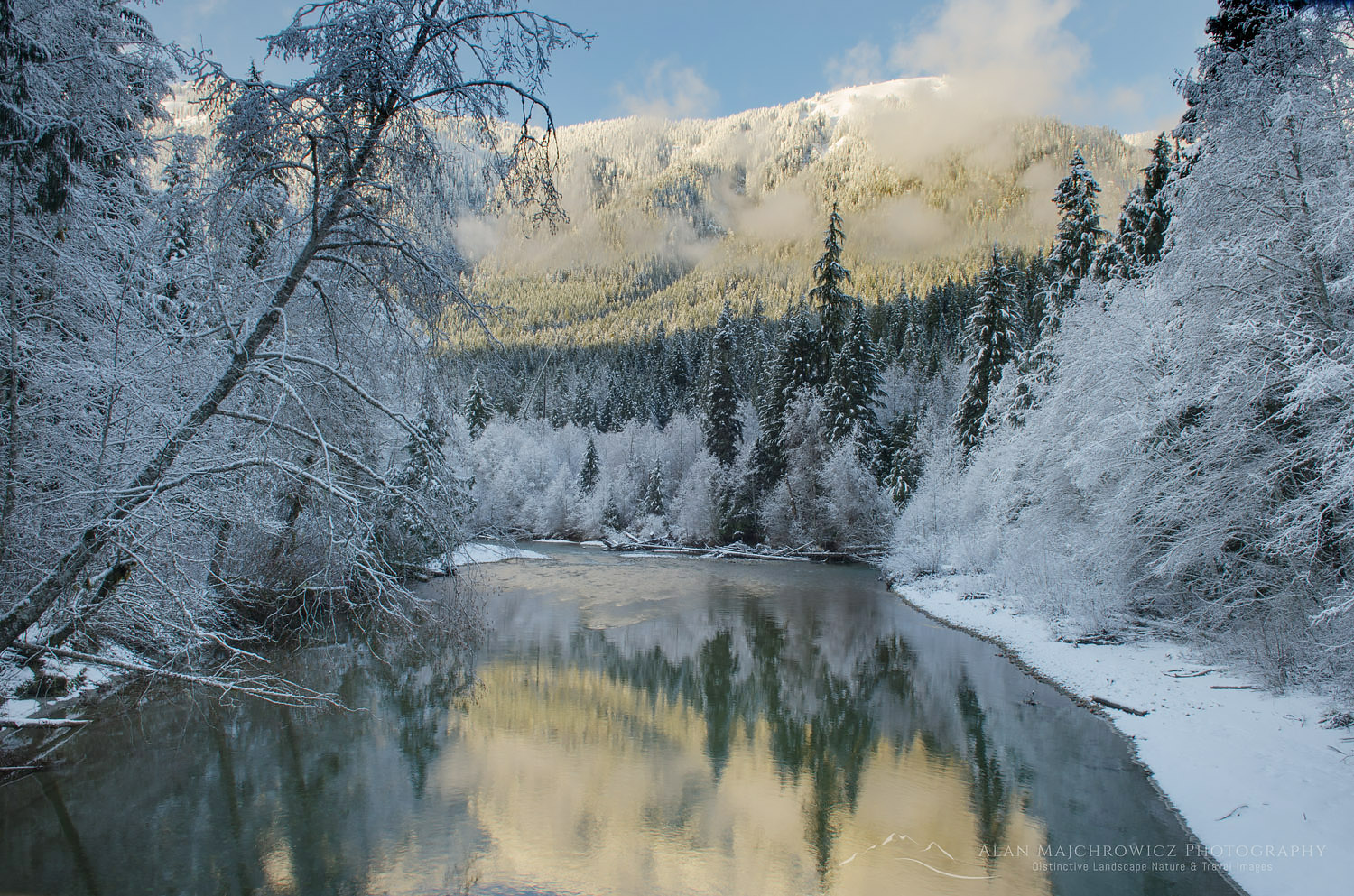
Nooksack River North Cascades WashingtonNooksack River, North Cascades, Washington #56544  Purchase

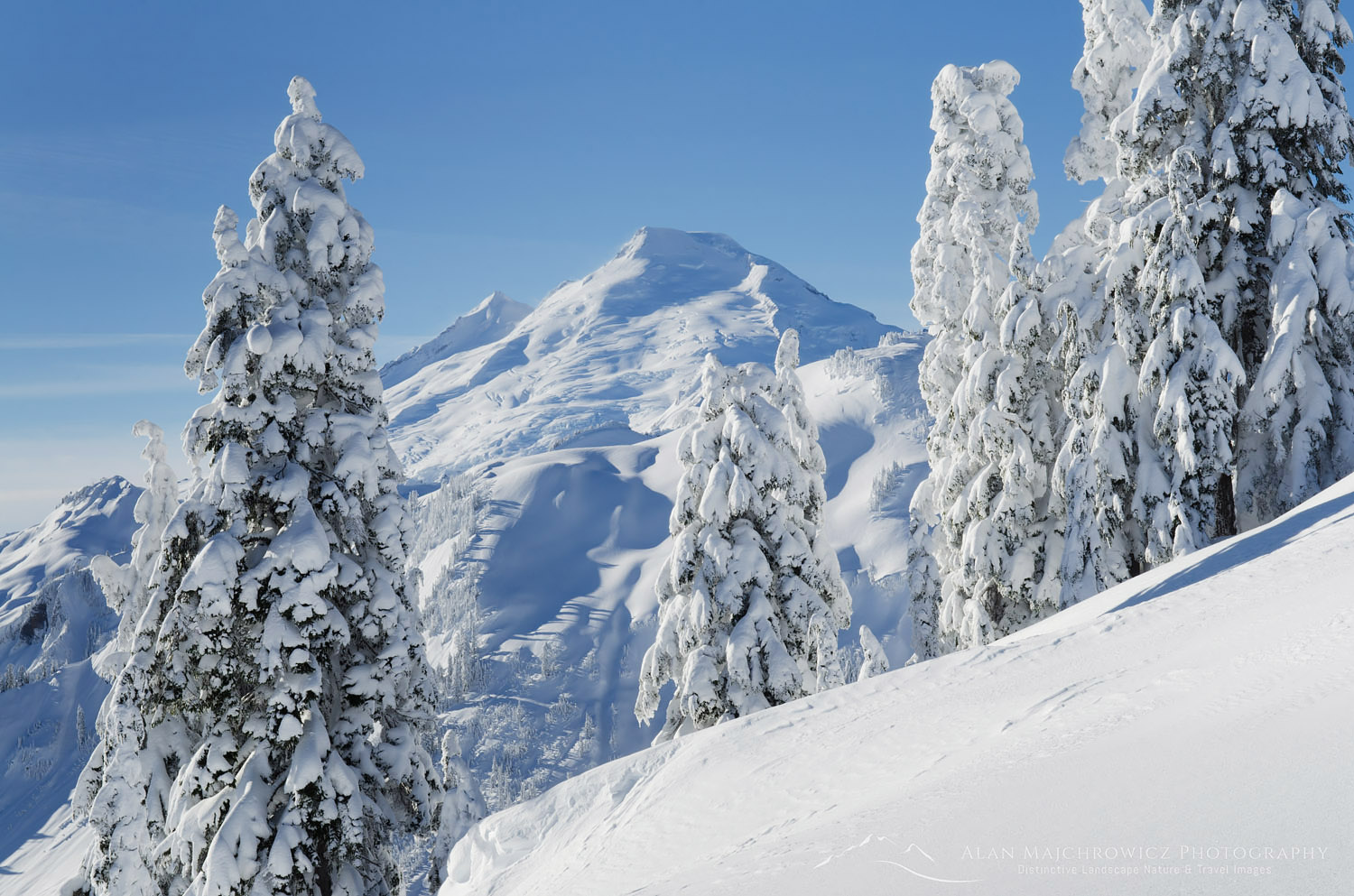
Finally, just a few days ago I made my first winter trip of the season to test out some new ski bindings in the Mount Baker area in preparation for winter photography. What a change from last year, the snow has been piling up for weeks and if it continues we may have a record year. I know it’s too early to say that but I feel optimistic! On the way down the Mount Baker Highway in the late afternoon, I was treated to this view of snow-covered trees along the Nooksack River.
Table Mountain North Cascades Washington

Winter Heather Meadows Recreation Area

Winter Heather Meadows Recreation Area

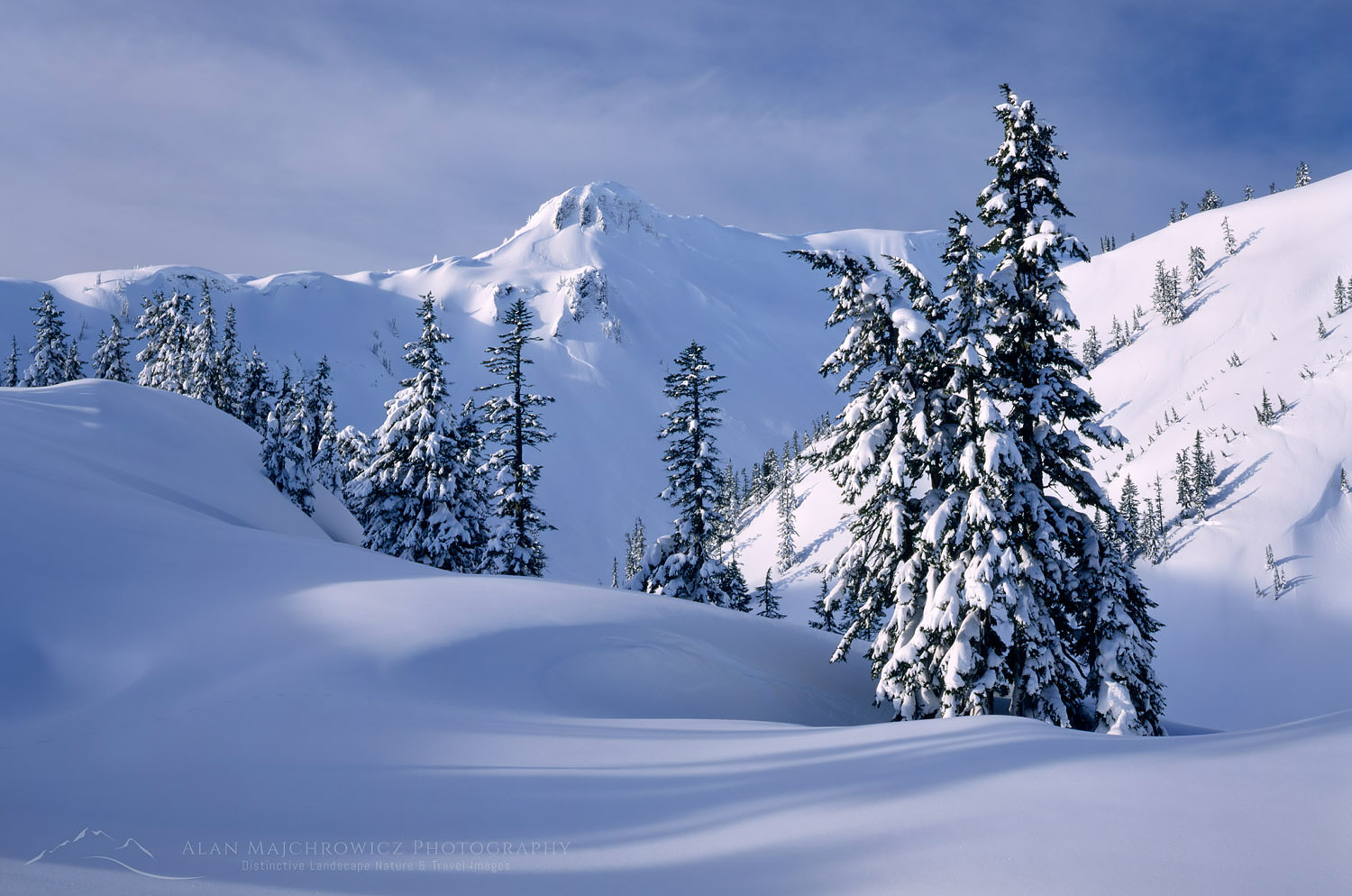
Table Mountain North Cascades WashingtonTable Mountain Heather Meadows Recreation Area 56528  Purchase

Every winter for nearly twenty years I’ve made at least one visit to Heather Meadows Recreation Area. I come here for a variety of reasons, such as being close to home and one of the few places in the North Cascades with relatively easy access to subalpine and alpine terrain. Also because the scenery is some of the best in the state and the ever changing patterns of snow and light make for unique winter photography opportunities.

On this first trip of the 2015-2016 winter season I came mainly to begin getting in shape and acclimated for upcoming ski-photo tours. Last year was a near bust as far as snowpack is concerned, but so far this year winter storms have pounded the mountains resulting in a pretty impressive base. As of this writing the Mount Baker Ski Area reports 146″ in the upper runs, with more storms lined up waiting to dump more snow. The first break in the weather I’ll head back up for a few days of winter camping and photography.

Backcountry skiers North Cascades WashingtonBackcountry skiers heading up to Artist Point 56540  Purchase

Mount Baker in winter North CascadesMount Baker from Artists Point 56535  Purchase

Nooksack River North Cascades WashingtonNooksack River back down in the valley 56544  Purchase


Heather Meadows Recreation Area in winter

North Cascades Winter

North Cascades Winter

Heather Meadows Recreation Area in winter North CascadesTable Mountain North Cascades #1644b  Purchase

This image of Table Mountain was made near the Mount Baker Ski Area during the record snowfall winter of 1998-99. That epic winter the ski area received a whopping 1140″ of snow. I couldn’t find out what the actual base was but it was enough to have people specially hired to dig out the lifts! It should be noted that this total is from November 1, 1998, to May 12, 1999.

If these statistics aren’t impressive enough you should also be aware that Mount Baker itself, would receive many times the amount of snow than the ski area. No wonder it is perhaps the snowiest glacier-cloaked peak in the lower 48 states.

Today however is a different story, the record year of 1999 is a distant memory. Last winter Northwest ski areas barely managed to keep open for a partial season. Due to unusually warm temperatures and little snow.

Since we are still in the grip of that same El Niño weather pattern the forecasts don’t look much better for this winter. But let us be optimistic, it’s only the second week in November. The mountains are already receiving snow from fall storms. Albeit in higher elevations and still a little warmer than normal.

In the meantime, I’m going to start scheduling some winter photo trips and getting my skis and other gear in shape!

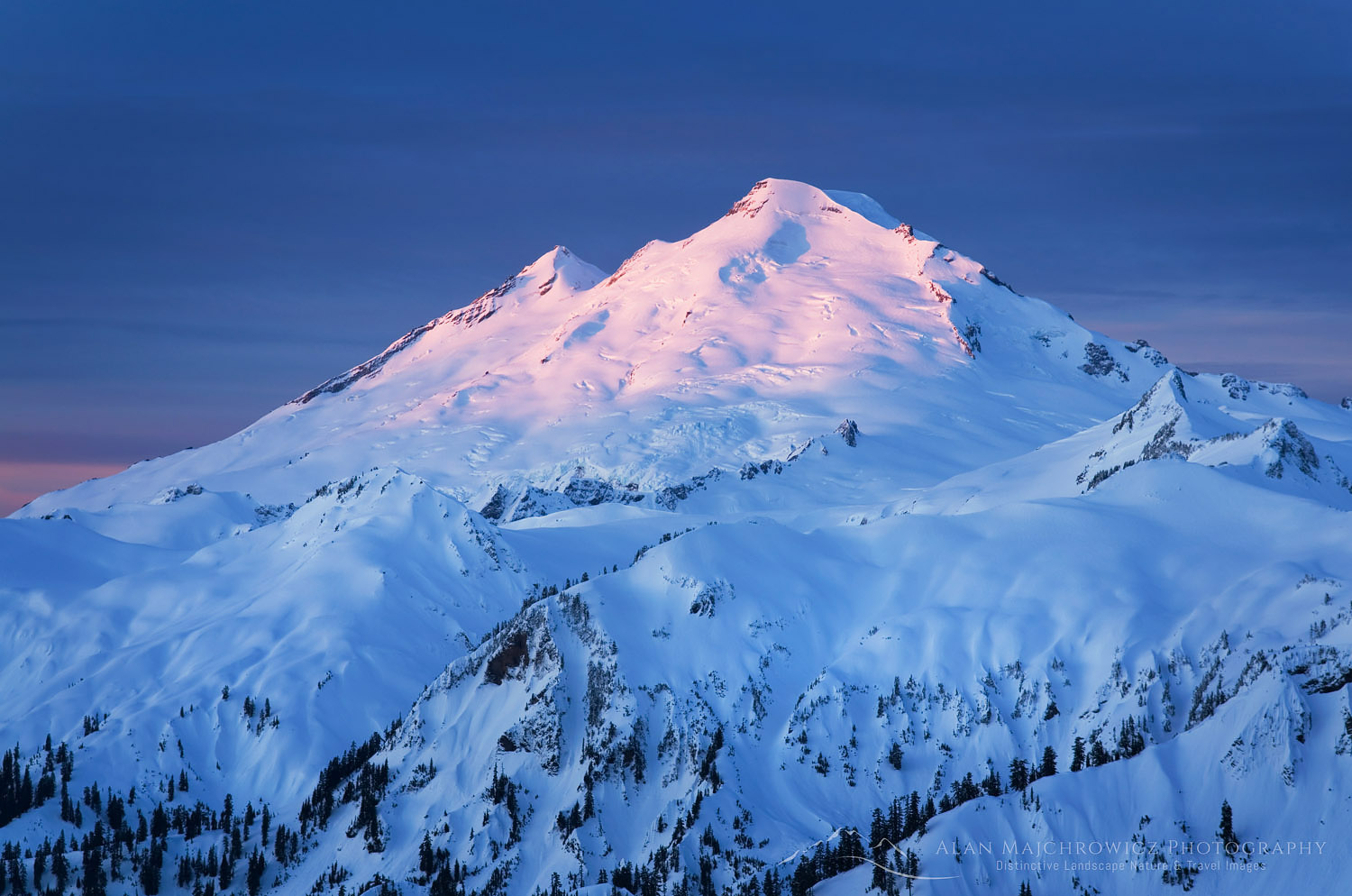
Winter dawn on Mount Baker, North Cascades Washington Mount Baker in winter #47031  Purchase


Corn Lily and Valerian

Sierra Club 2017 Calendar

I’m thrilled to announce that three of my images are appearing in the  Sierra Club 2017 Engagement Calendar! The first image of white Valerian blossoms among Corn Lilies has been selected to grace the cover. If you can’t wait to see these images I also have several other photos appearing in the 2016 Sierra Club Calendars, both Engagement and Wilderness Wall.

Prints and Licensing are also available by clicking on any image.

Corn Lily and ValerianCorn Lily Sitka Valerian #54378  Purchase

South Coyote Buttes, Vermilion Cliffs WildernessSouth Coyote Buttes #37634  Purchase

Mount Baker Wilderness North CascadesMount Baker North Cascades #54136  Purchase

Prints and Licensing are also available by clicking on any image.

Purcell Mountains British Columbia

How to Boost Your Creativity Back to the Basics

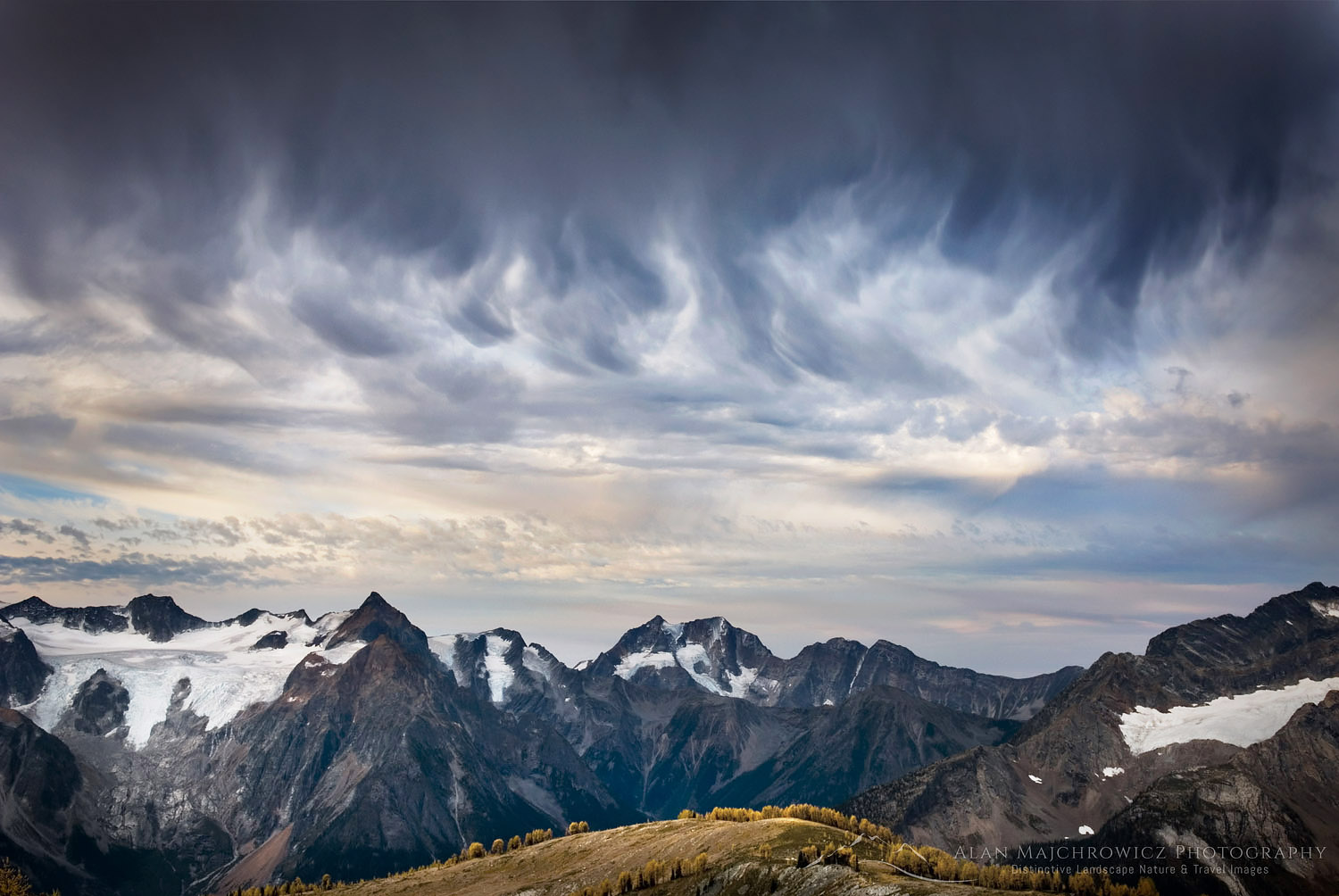
Purcell Mountains British ColumbiaPurcell Mountain Storm Clouds, British Columbia  #25556r  Purchase

How to Boost Your Creativity  Back to the Basics :  You hear it all the time in every field, from sports to science and everything in between. When you’re having difficulty being creative it always helps to start fresh and get back to the basics.

One of the first assignments I had way back in my days of art school was to go out and create images with only one lens. A 50mm focal length often called a normal lens. In addition the camera was to be set only on manual. Back then it wasn’t difficult to do since I only had one lens and my Nikkormat 35mm camera was manual only.

The point of this assignment was to learn the basics of exposure. By adjusting shutter speeds and f-stops, and not relying on technology to do the thinking for you. Limiting your choice of lens to only a 50mm also forced you to visualize your subject matter and compose more carefully.

Try this, find a small object, a flower, trinket, door knob, whatever. Set it up on a table and try photographing it with a normal lens. No filters or special lighting techniques allowed, just room or daylight. See if you can photograph it in a way that brings out an interesting aspect of the object. I  once worked with a woman who photographed through the bottom of drink glasses. A pretty dull subject matter, but she brought to life in a very creative way. I’ll always remember those beautiful colors and patterns.

In my art school drawing class we once had a pile of randomly arranged chairs which we had to draw over and over again for what seemed like forever. The point was to see shapes and patterns of interest in a seemingly mundane object. Not a lesson we enjoyed but effective nonetheless.

During my years working with large format view cameras these lessons paid off and further honed my skills. View cameras are basically just large boxes with a lens on one end. They have no form of auto exposure or auto focusing. In addition each sheet of film can be very costly both in itself and with processing. The result being a forced slowdown in methodology which sharpened my way of seeing more carefully.

Today with digital cameras it’s hard not to just jump in and let the camera do all the creative work for you. However if you want to be more creative turn off all those whistles and bells and put yourself in the driver’s seat for a change.

Another basic way to learn to see more creatively is to work in black and white. Monochrome photography strips the image down to the most basic of elements. It forces the viewer to see the subject in a more pure state. Take a look at your photos and do a quick conversion to black and white. You may notice that some images are pretty dull and lifeless when you strip out the color. You may also see flaws in the composition that aren’t as apparent with color distracting them.

Now this isn’t to say that monochrome is superior to color photography or vise versa. It’s just another way of seeing and a powerful tool creative every photographer can benefit from.

Of course boosting your creativity by getting back to the basics can be extended to post processing the film or digital files. But that’s a big topic for another post.

Imnaha River Canyon, Hells Canyon Recreation Area Oregon

How to Boost Your Creativity Learn From the Past

Imnaha River Canyon, Hells Canyon Recreation Area OregonImnaha Canyon Oregon #45023   Purchase

How to Boost Your Creativity Learn From the Past:  Here’s another easy way to boost your creativity. Study artists and photographers from previous generations. You can do this by visiting museums art galleries and book stores that specialize in art and rare editions.

A few years ago I made my first trip to the California coast. While photographing Big Sur I made a point of spending some time in Carmel. Carmel is the epicenter of early twentieth century landscape photography. It’s also the one time home to Edward Weston and Ansel Adams. I wanted to check out the galleries there to see original prints up close by many of those masters. Both the Weston Gallery and Photography West Gallery displayed numerous prints of both classic well known images, and many I’ve never seen before. I came away from there truly moved and inspired to go further in my own work.

Remember the Masters

In the over 150 years of photography there has been an enormous wealth of creativity that can offer lessons and inspire even the most jaded photographer. Of course everyone in landscape and nature photography knows Ansel Adams and Galen Rowell. However, how many know of Wynn Bullock, Minor White, Morley Baer, Don Worth and a host of others?

And what about photographers outside of the landscape genre? Does anyone remember Diane Arbus, Edward Weston, Imogen Cunningham, Robert Frank, Walker Evans and more? Does anyone also remember Alfred Stieglitz? He is the one man who did single handedly elevated photography as an artistic medium, equal to painting and sculpture.

These are just a few of the many who made their mark in photography. Their images have stood the test of time, and continue to inspire and move viewers generations later. If you are truly serious about your photography and you desire to move beyond clichéd images. Check out some of the names I mentioned here. You’ll soon realize that they are just the very tip of the iceberg. There are many newcomers to the field still pushing the boundaries of creativity. Have fun and enjoy the trip!

Lake Crescent Olympic National Park

How to Boost Your Creativity Second Tip

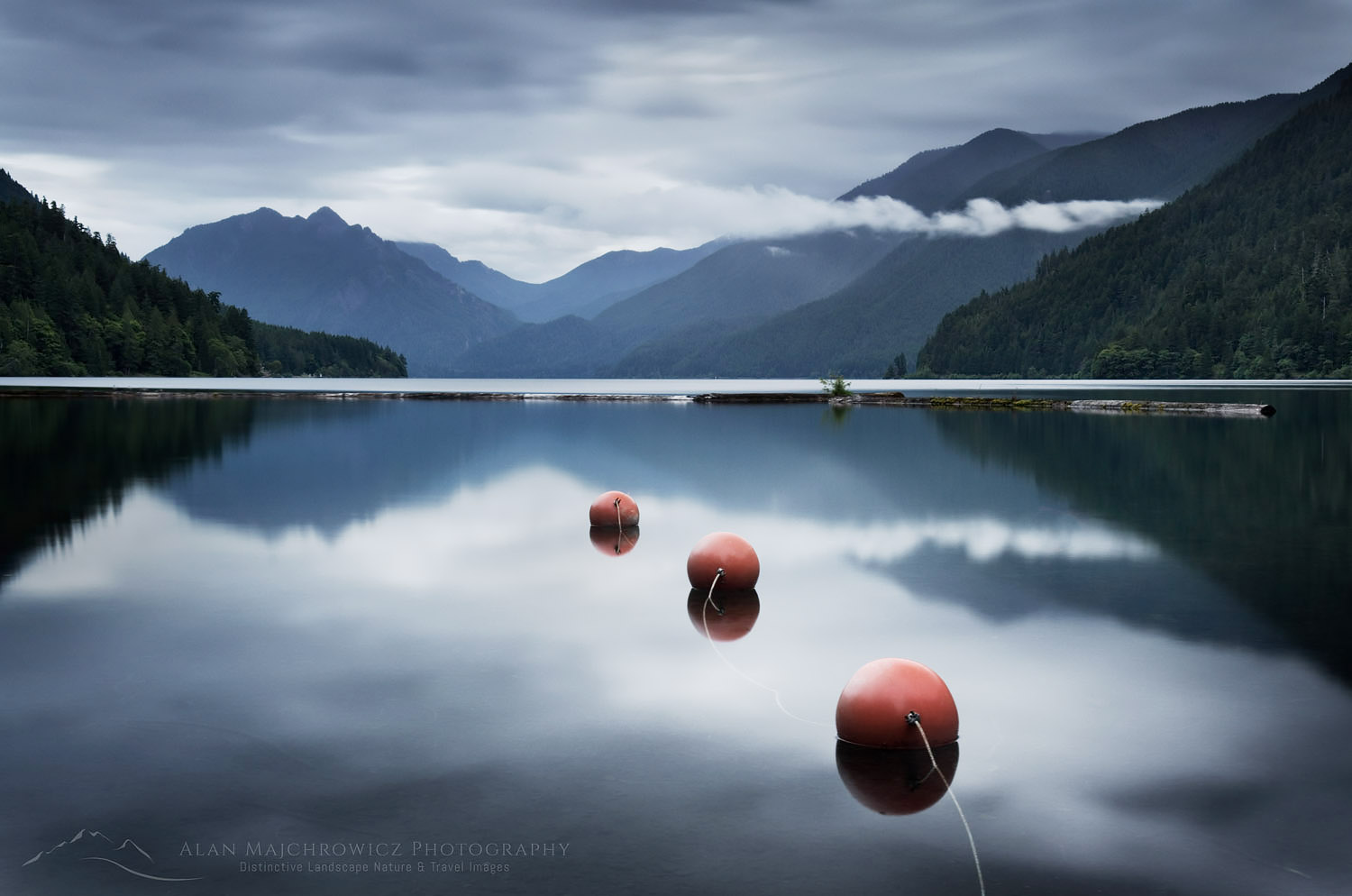
Lake Crescent Olympic National ParkLake Crescent Olympic National Park #53919  Purchase

How to Boost Your Creativity Second Tip

In my last post on How to Boost Your Creativity, I spoke of photo-sharing websites. In this post, I’m going to talk a little about stepping outside of your comfort zone. Once again I’m addressing primarily landscape and nature photographers. Although these tips will work for anyone in a creative rut.

Today’s tip is probably the most important in helping you boost your creativity. It’s also one of the easiest to do and nearly guaranteed to bring quick results, or at least get you thinking a little differently.

Tip #2: Look Beyond Your Genre. If you limit your online and print media exposure to magazines like Landscape Photography Outdoor Photography Nature’s Best, you’re going to end up with a severely myopic view of the natural world and what it should look like. Consequently, you won’t experience much creative growth.

To truly get inspired get out of your comfort zone! To create something new you must look beyond your genre of landscapes and nature.

My first suggestion is to look to the commercial photography field for a change in scenery. Commercial assignment photography is often looked at as a dull unimaginative field. A field where photographers record what the art director and or ad agency dictated to them. However, over the years commercial photography has grown in leaps and bounds creatively. Now many photographers have blurred the line between commercial and true fine art. One example is my current favorite photographer, Colin Homes. His excellent work has earned him a thriving business in both the fine art market and commercial photography.

Publications and Websites

One of my longtime favorites for creative inspiration is Communication Arts. CA has an extensive website, with resources for illustrators photographers, and designers. They publish lavishly produced annuals for these and other fields in the commercial genre. If you enroll for a subscription make sure it includes the printed versions of the annuals. The photography side of CA often shows a surprising number of creative photographers. Many are nearly unknown in the landscape photo-sharing circles. These photographers are creating astonishingly fresh images.

Another source I like to check out on a regular basis is A Photo Editor (APE). This site, built by Rob Haggart a former photo editor for several large magazines, showcases some of the more creative photographers working in both commercial assignment and fine art fields. Another aspect of this site I love is the regular sidebar feature of promotional mailers sent to Rob for review, lots of good stuff there.

While up to this point I focused on sources for inspiration in the commercial side of photography, it is also important to look to other segments such as editorial and traditional fine art. If you are strictly creating in color it would be a sore mistake to ignore what’s going on in the black-and-white world. Successful monochrome images utilize a different way of seeing that may not be apparent to those working in color, and some of those techniques are easily transferable.

A few more sources I like that may help I’ve you a creative boosts are Photographer’s Forum Magazine and LENSCRATCH, the latter of which will most definitely challenge your way of seeing the world. There are many more sources than those mentioned in this post in which you can check out with a little searching.

So in conclusion, if you want to boost your creativity try and look to different genres for inspiration! See you next time.

How to Boost Your Creativity Second Tip

Isle of Skye Scotland

How to Boost Your Creativity Tip One

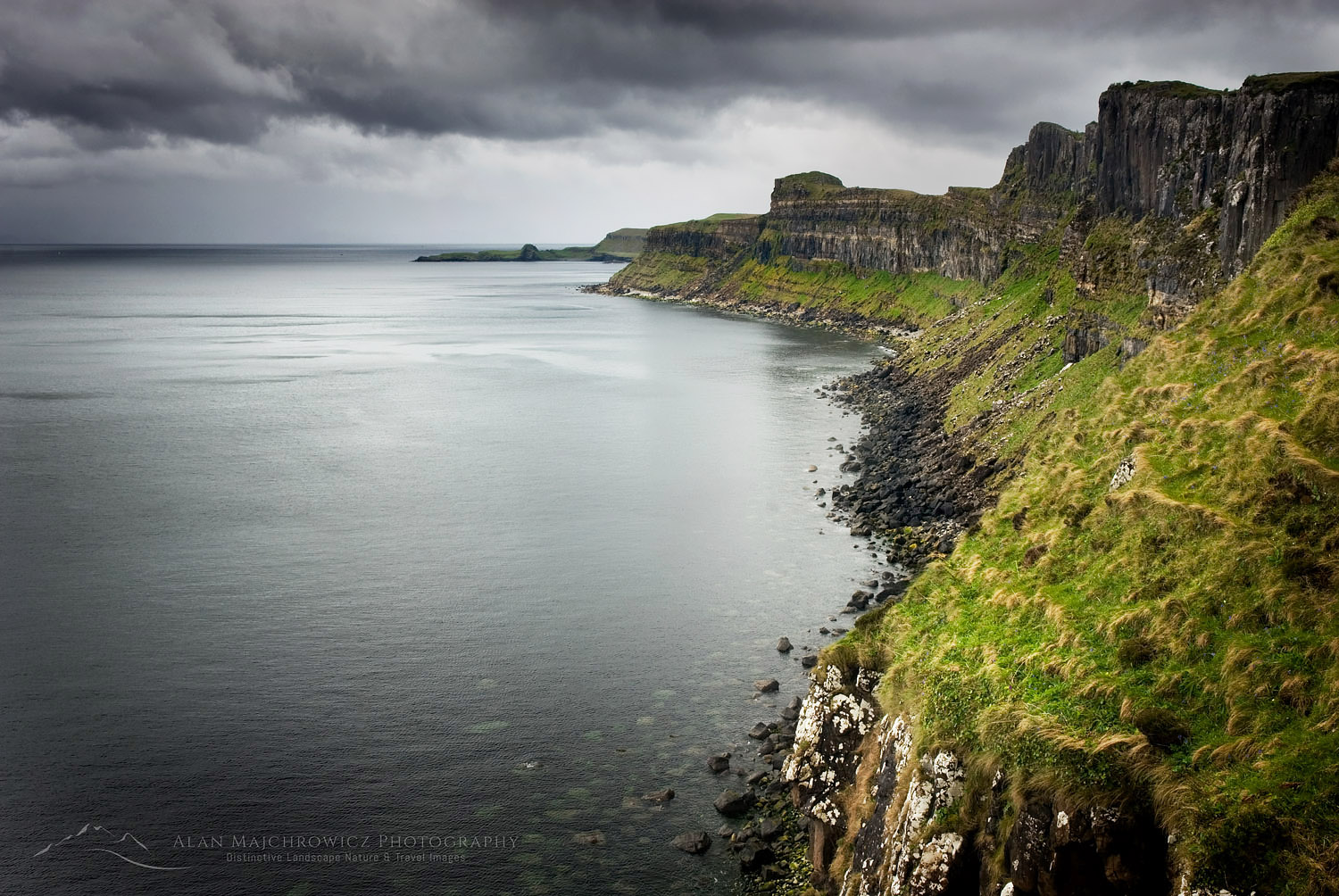
Isle of Skye ScotlandIsle of Skye Scotland #11807  Purchase

How to Boost Your Creativity Tip One

Everyone in the wide field of the Arts suffers from creative block from time to time. From writers and musicians to painters and photographers. No one is immune, and these periods can be very frustrating and occasionally depressing. Sometimes though only a small change of environment or way of looking at things is needed to get those juices flowing again.

In this and subsequent articles I’m going to address some ways photographers, specifically in the landscape and nature genre, can find inspiration. Ways to be more creative so their individual vision can shine through. Although I’ve been photographing quite a long time, and have a background, in the arts I don’t consider myself an expert by any means. These are just some tips and pointers I’ve learned throughout the years.

Define Creativity

Let’s start with the basics. What is creativity? Here is one definition:

creativity |ˌkrē-āˈtivitē| noun   The use of the imagination or original ideas, especially in the production of an artistic work.

Taking this definition in a strict sense is pretty tough. Yes, we all have an imagination, some bigger than others. But can we pull truly original ideas and concepts out of it on a regular basis? Hopefully some of these tips will give it a nudge in the right direction.

Tip #1: Use Online Photo Sharing Sites. Sites like 500px Instagram can at times be a wonderful source of inspiration to get your creative juices flowing. Be warned though, they can also be  an addictive trap that can stifle your creativity. Online photo sharing sites host a wide variety of talent. From photographers just beginning, to advanced professionals.

I mostly like to browse through some of these sites to research locations I may be visiting sometime in the future. It helps give me an idea of the photographic potential of an area. Unfortunately though I found that I rarely came away from these sites creatively inspired. There just isn’t much originality here.

Word of Caution

Spend even a short amount of time browsing through posted photos on these sites and you’ll begin to see a follow the leader mentality. Both in locations visited, and the trend of the day style of processing. One of the worst aspects of these sites, in my opinion, is that some have devolved into competitive venues. A forum where it is more important to accumulate Likes and Faves than it is to post creative content.

So yes, online photo sharing sites can be a good source of inspiration for your creative self. Just make sure it is only one of many tools in your kit. Don’t get sidetracked into a race to keep up with the next guy!

Little Redfish Lake, Sawtooth National Recreation Area Idaho

Little Redfish Lake Sawtooth Mountains

Little Redfish Lake Sawtooth Mountains Idaho

Little Redfish Lake, Sawtooth National Recreation Area IdahoSunrise over Little Redfish Lake, Sawtooth Mountains Idaho  #56173  Purchase

Another great spot for photography in the Sawtooth Mountains of Idaho is Redfish Lake and Little Redfish Lake. While both lakes have spectacular views Little Redfish is smaller, and offers better intimate compositions than its bigger neighbor.

After my success at having good light at Stanley Lake several days before I didn’t think that luck would strike twice in the same trip, but it did. The first evening I scoured the lakeshore for good compositions. I found the best spot was one that obviously was used by photographers in the past. You can always tell by the small patch of ground  worn bare and hardened. The light was nice and I got a few good shots. However evening light puts the range mostly in shade. Morning promised to be a better time for photos, if the light was good.

As always I got up before sunrise and set up in my spot and waited. Like several days prior at Stanley Lake fog threatening to obscure the view. The stillness of the air meant the surface of the lake was mirror still, and I kept my fingers crossed. Also the sky was cloudy and it didn’t look like the sun would break through. Luck was with me though, and as you can see from these photos the fog held off and the clouds began to clear. Perfect timing, as the first predawn light began paint the sky with purples and reds.

The clouds and atmosphere that morning were just right to keep the light and colors going long after the sun had risen. As the light began to wash out the fog came back and closed off any views until the heat of the day burned it off. I packed up  and decided to check out the bigger Redfish Lake, there the fog was also thick but there was a couple of surprises for me which I’ll save for the next post.

Little Redfish Lake, Sawtooth National Recreation Area IdahoSunrise over Little Redfish Lake, Sawtooth Mountains Idaho  #56184  Purchase

Little Redfish Lake, Sawtooth National Recreation Area IdahoSunrise over Little Redfish Lake, Sawtooth Mountains Idaho  #56196  Purchase

Bruneau River Canyon Overlook Idaho

Bruneau Canyon Idaho

Bruneau Canyon Idaho

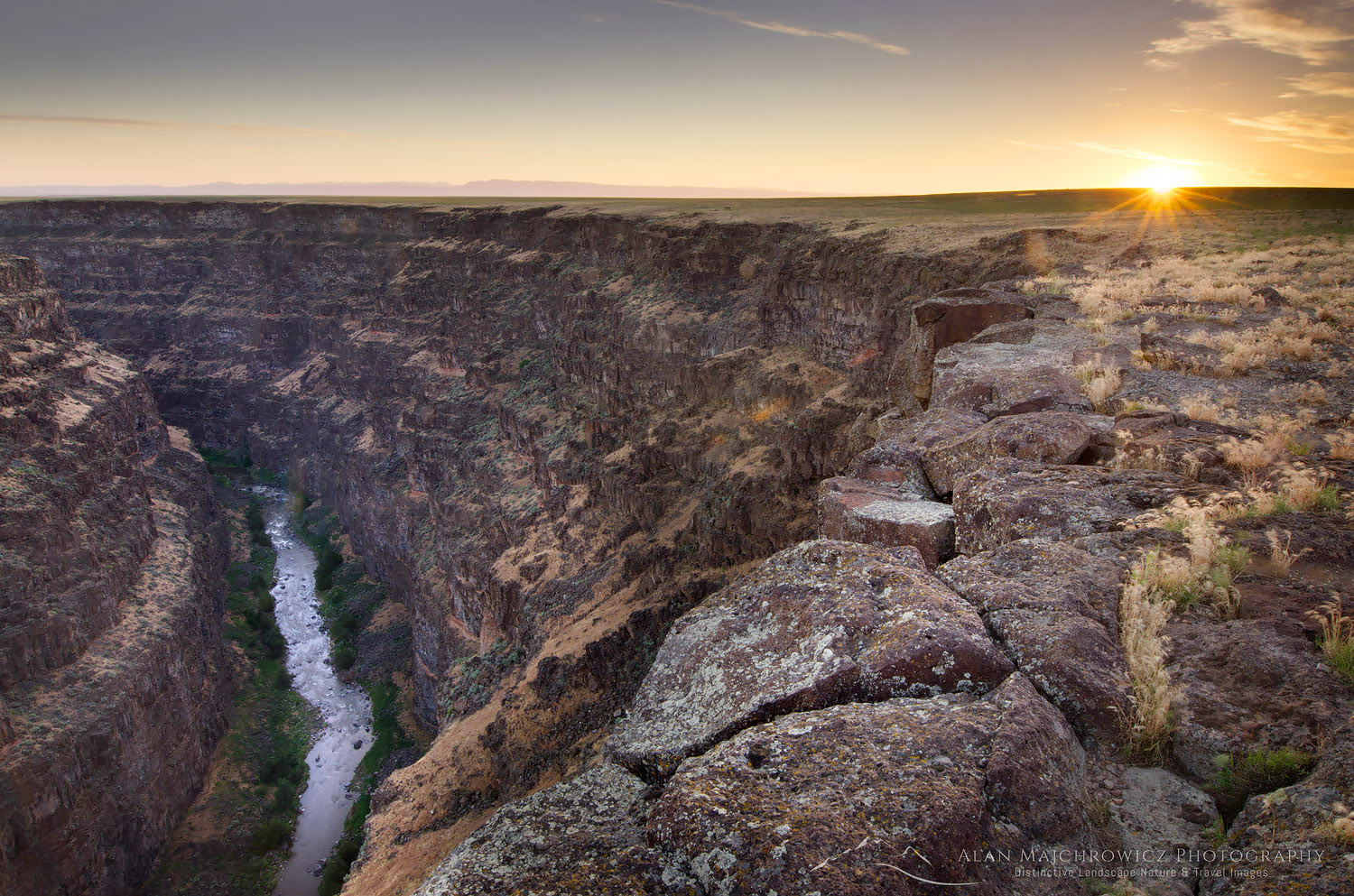
Bruneau River Canyon Overlook IdahoBruneau Canyon Sunset  #56320  Purchase

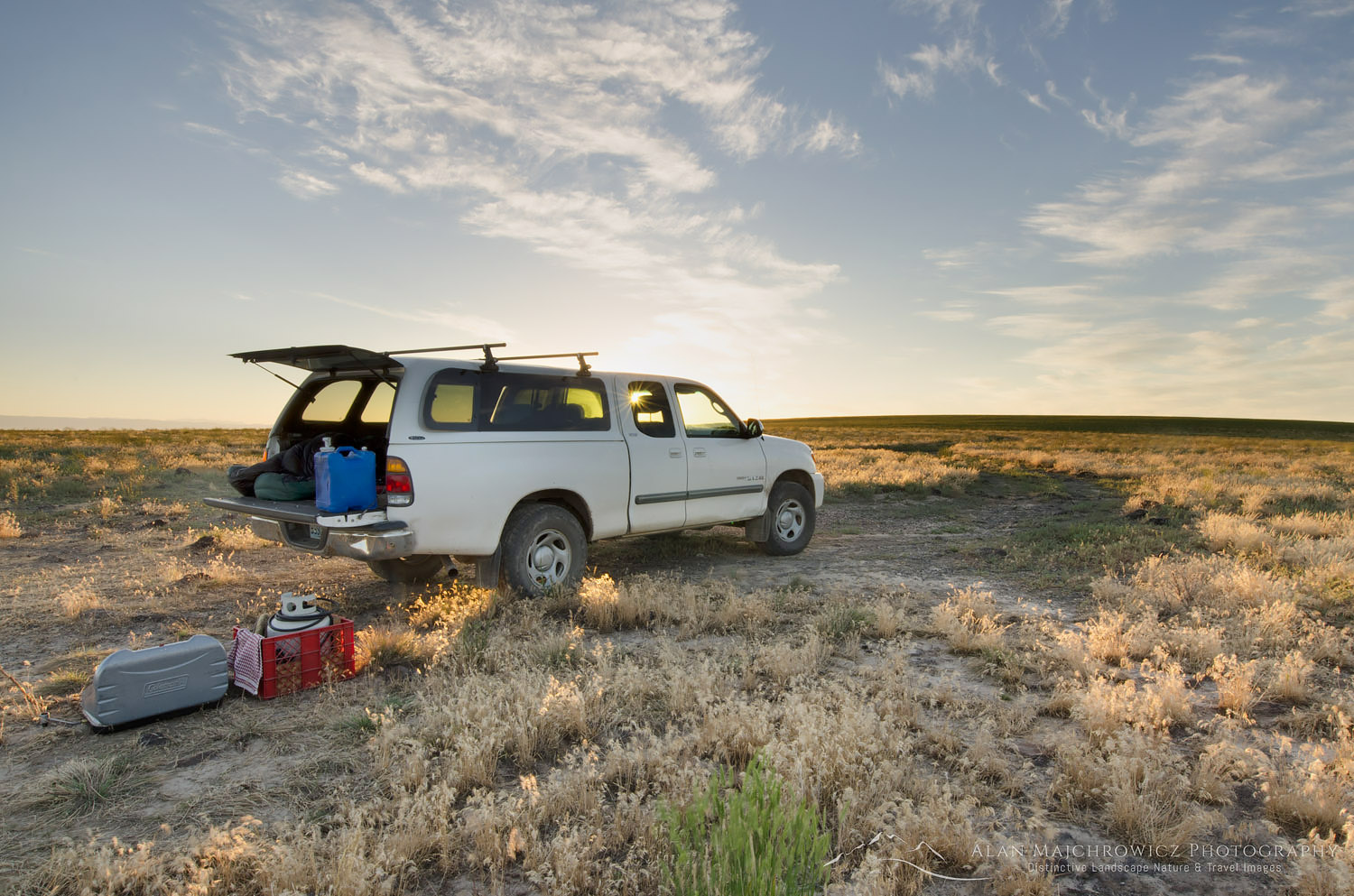
Another location I visited on my recent photo trip to Idaho was Bruneau Canyon. Located on BLM land in a remote corner of the Snake River Plain in SW Idaho. This canyon is more well known to white water enthusiasts than photographers. I wasn’t even aware of its existence until thumbing through an Idaho tourism brochure I picked up in a rest area. Given the hot sunny and windy conditions and a long drive on a dusty gravel road I wasn’t sure I wanted to include it in my itinerary. However I soldiered on and was glad I did.

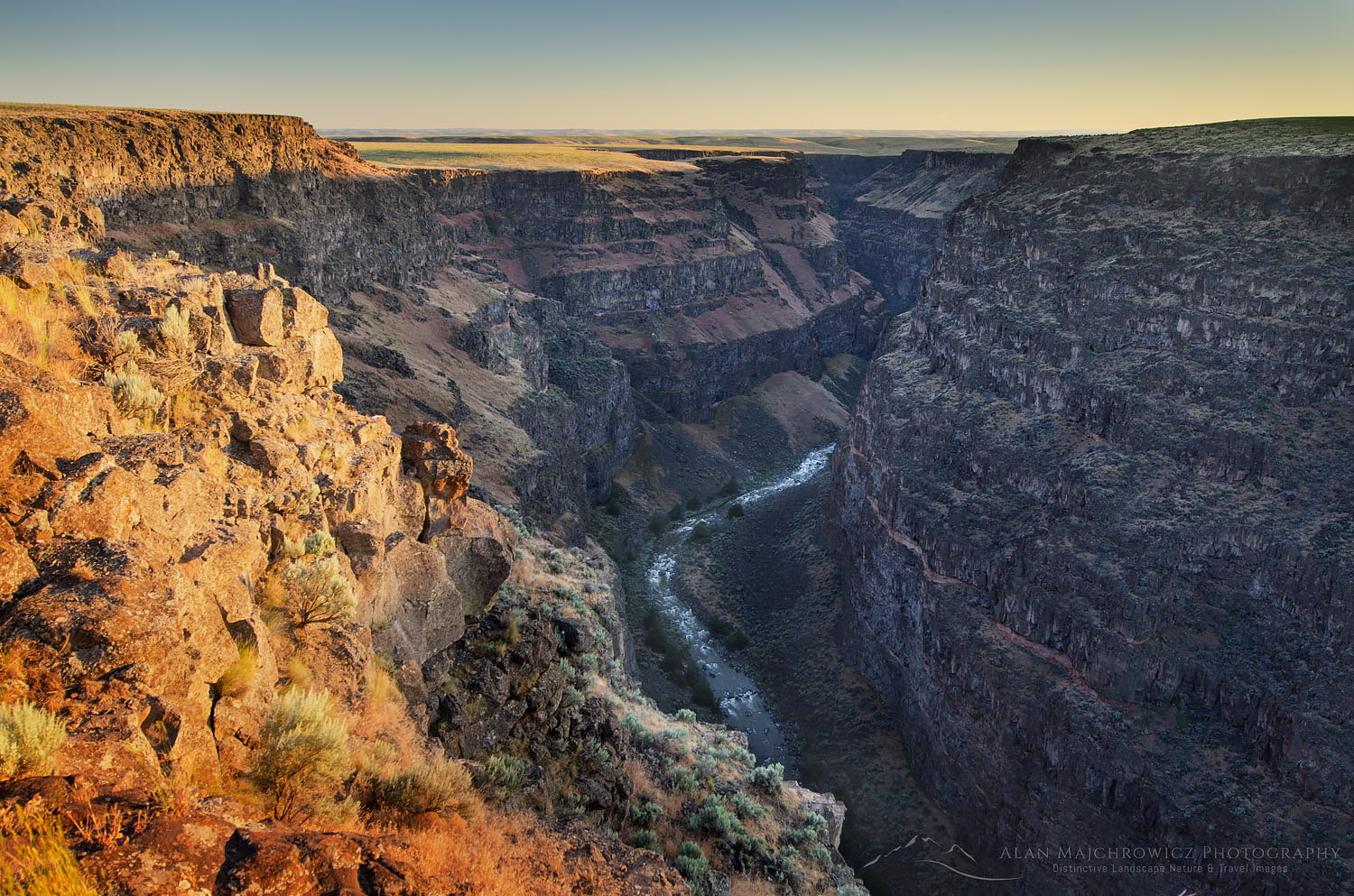
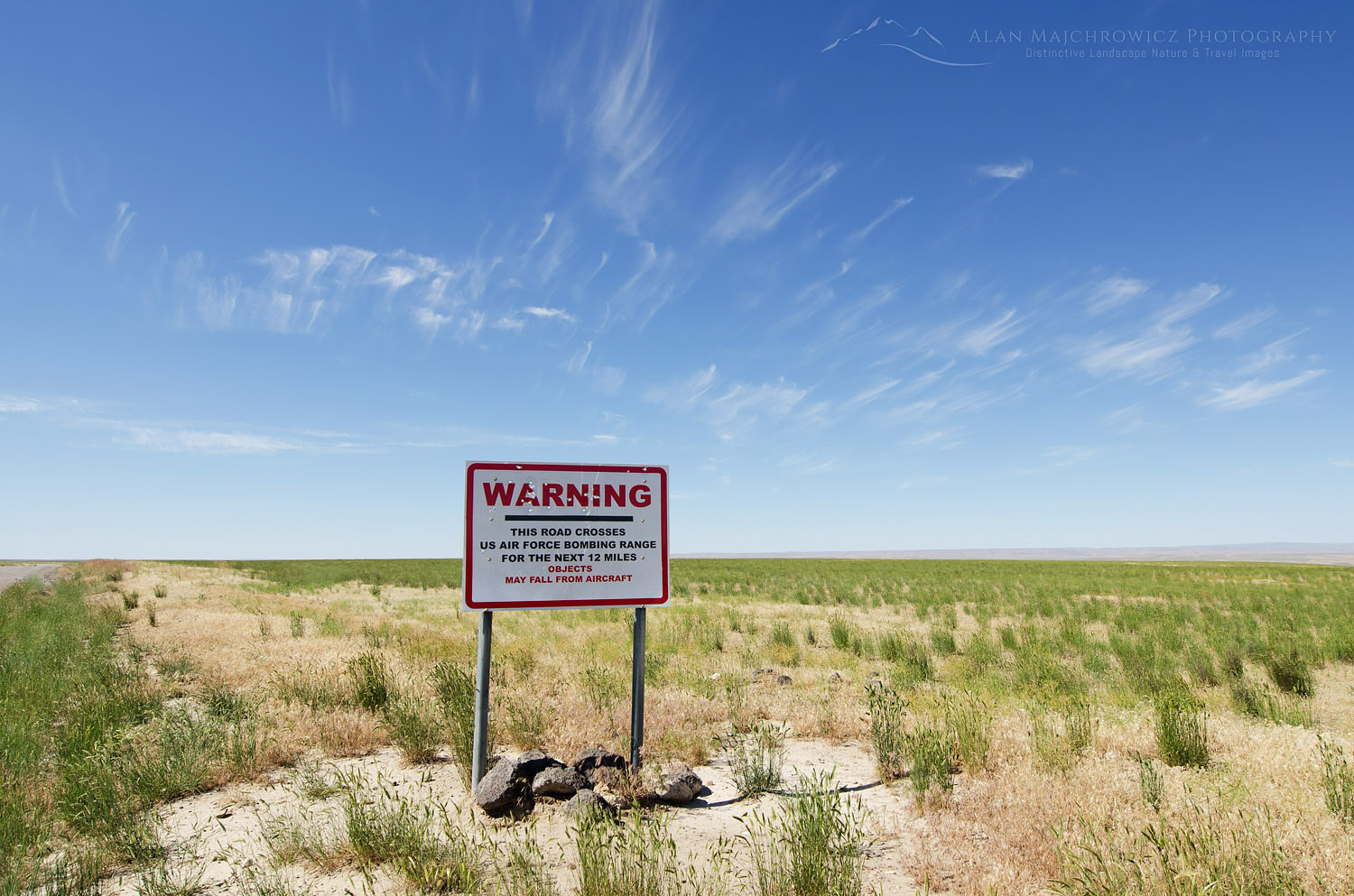
Bruneau Canyon is roughly 40 miles long, cut through layers of basalt by the Bruneau River. From the overlook  it is 800′ deep. Getting here in mid-day the canyon was a bit of a disappointment, the light was pale and featureless. Aside from the big gash in the earth there was absolutely nothing else around. Just flat plains as far as the eye could see. The only other cause for excitement was a government sign announcing to travelers they are entering an Air Force bombing range.

As always in photography light  means everything and as the sun dipped to the horizon things began to pick up. After sunset when alpenglow kicked in there was some nice warm even light on the canyon walls. The next morning look very promising with wispy clouds glowing in beautiful colors before the sun came up. Unfortunately the majority of them weren’t over the canyon, but it turned out well anyway.

If you decide to visit the Bureau Canyon make it part of a trip that includes other nearby spots like Shoshone Falls or the Owyhee Uplands. Make sure you’re ready to be on your own, although there are great spots along the rim to camp in solitude there is no water, cell phone reception or any other facilities. You also might want to bring a helmet for the objects falling from airplanes!

Bruneau River Canyon Overlook IdahoBruneau Canyon Idaho  #56299  Purchase

Air Force bombing range warning sign SW IdahoAir Force Bombing Range Warning Sign  #56332
Car camping in SW IdahoCamping on rim of Bruneau Canyon  #56311